Horizontal Cabling vs. Backbone Cabling: Differences, Applications, and Standards
This article explains the main distinctions between horizontal cabling and backbone cabling, outlining differences in applications, standards, and design considerations.
خلاصه تخصصی مقاله
This article explains the main distinctions between horizontal cabling and backbone cabling, outlining differences in applications, standards, and design considerations.
موضوعات اصلی: Cabling، Backbone، network، Horizontal، media، standards
Horizontal and Backbone Cabling differ in the path they take to connect electronic equipment to the network. Both cabling models follow coherent standards, but their physical scope and applications differ. Telecommunication and data centers choose the appropriate cabling based on organizational needs. In each system, the standard spacing between network outlets is commonly 3 meters.
Users commonly refer to backbone cabling as the backbone or vertical cabling, which provides inter-floor electronic connectivity. Horizontal cabling focuses on connecting floor outlets to a single network and typically traverses walls and dropped ceilings. Both approaches are essential to provide user access to network services and to meet equipment needs across a building.
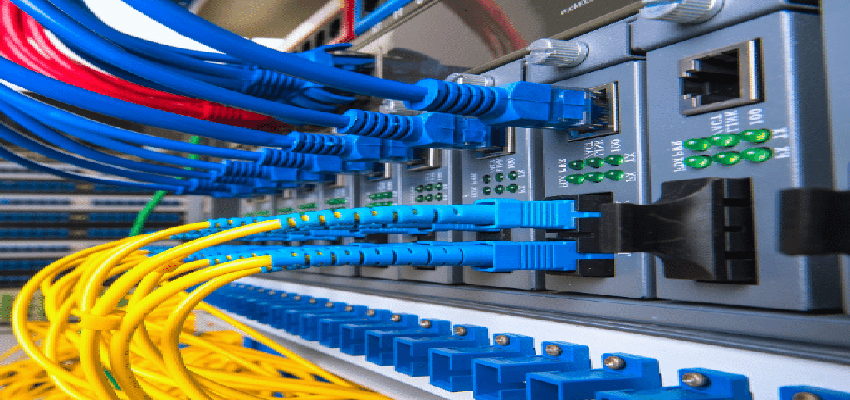
Standards for cabling, especially the TIA/EIA standards, apply to both methods. Horizontal and backbone cabling typically use similar media, but media choices and allowable cable lengths can vary by environment. Backbone cabling differs from horizontal in that it interlinks floors and telecommunications rooms and shapes the building architecture. In some contexts, fiber optic cables are preferred for higher bandwidth; copper or coaxial cables may also be used in certain cases.
Fiber optic media for backbone offer higher data transfer rates and lower latency compared to copper, and are widely used in modern infrastructures.
What is Horizontal Cabling?
Horizontal cabling serves the needs of the network on each floor. It connects floor outlets to network devices and links users to telecommunications rooms and IT rooms. It is often considered the last link inside a structured cabling system and supports data, voice, and audiovisual services within the work area.
Common media for horizontal cabling include Ethernet cables meeting Cat6 or higher standards, with outlet-to-outlet lengths typically around 90–100 meters. Proper design requires adherence to relevant standards for permissible lengths.
What is Backbone Cabling?
Backbone cabling connects equipment rooms, telecommunications rooms, and entry points and runs between floors. This approach enables access to network services across the building, and its media and length must be determined by spatial and architectural considerations. Fiber is often chosen for backbone due to high bandwidth and low latency, though copper or coaxial can be used in some cases. Appropriate backbone lengths depend on the media and building layout to ensure signal quality.
Backbone lengths are typically selected according to safety and performance standards for the media involved.
Key Differences Between Horizontal and Backbone Cabling
The main difference lies in usage: Backbone cabling interconnects floors and telecom rooms and provides core network services; horizontal cabling primarily links floor outlets to IT cabinets and telecommunications rooms. Both are complementary and support building-wide network services.
If you are planning data center or enterprise-wide data distribution, backbone design can improve efficiency.
Choosing the Right Cable Type for Each Cabling Type
In selecting cables and fiber for each system, proceed with care and align choices with organizational needs. Consider the differences between horizontal and backbone cabling and consult network professionals for installation guidance. In some environments, traditional phone network jacks are still used for internet access, but wireless and high-speed data networks are increasingly prevalent. For maintenance and security, consult the network support documentation for guidance.
Frequently Asked Questions
- When should we use horizontal cabling? For connecting floor outlets to a single network.
- When is backbone cabling essential? In multi-floor buildings or when inter-floor connectivity is required.
- What is the maximum horizontal cable length? About 90–100 meters depending on standards and media.
- Should we use fiber or copper for backbone? Fiber offers higher bandwidth and lower latency, but copper can be used depending on organizational needs.
- What is the practical difference in implementation? The main difference relates to network architecture and organizational needs.
برای ارزیابی پایداری، امنیت و نگهداری این زیرساخت، راهنمای پشتیبانی شبکه را نیز مطالعه کنید.