What is server room standardization? Benefits, requirements and challenges
A server room is a specialized space for housing, securing, and operating networking, storage, and server equipment. Standardization improves reliability, security, and efficiency of the IT infrastructure, while introducing challenges like space and budget constraints.
خلاصه تخصصی مقاله
A server room is a specialized space for housing, securing, and operating networking, storage, and server equipment. Standardization improves reliability, security, and efficiency of the IT infrastructure, while introducing challenges like space and budget constraints.
موضوعات اصلی: پشتیبانی شبکه، اتاق، سرور، استاندارد، تجهیزات، استانداردسازی
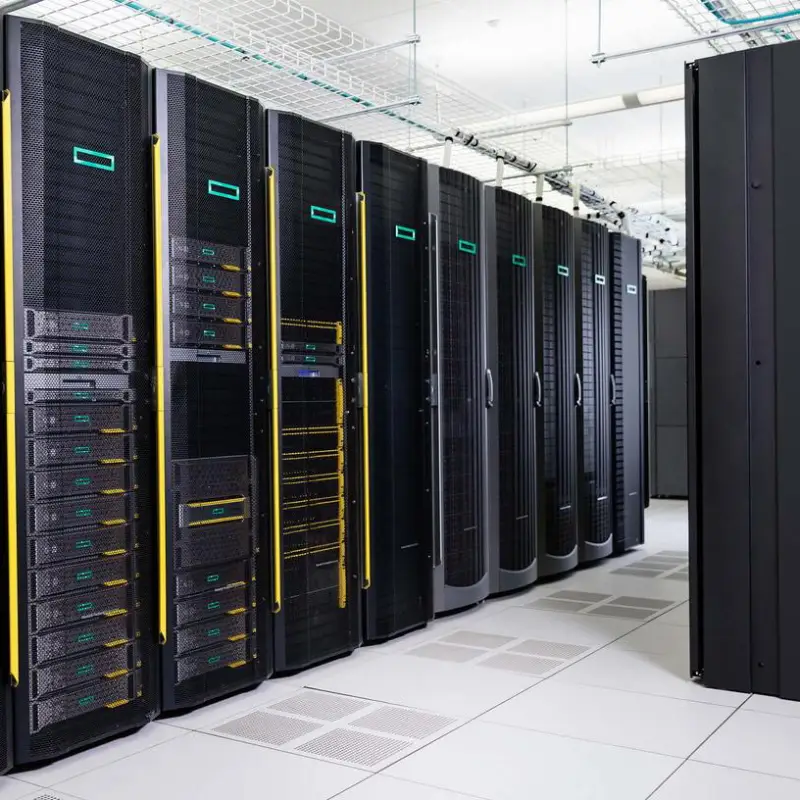
What is a server room? In the digital age, a server room is a specialized space designed to house, secure, and operate networking, storage, and server equipment. Contrary to common belief, simply placing a few chassis and modems in a small room does not constitute a “standard server room.” This space requires tight control of temperature, humidity, power, cooling, physical security, and cabling. Essentially, a server room is the backbone of an organization’s IT infrastructure. It can range from a few small racks to hundreds of rack-mounted devices, and thus demands precise, up-to-date design and equipment.
What is server room standardization?
Server room standardization refers to a set of technical, environmental, and security measures implemented to maintain stable, secure, and optimized operation of network equipment in a defined space. These measures include selecting appropriate equipment, physical environment design, cooling, emergency power, and security controls. Standardization goes beyond rack layout or buying a cooling system; it is about creating a stable technical platform for 24/7 network operations. In simple terms, without adhering to server room design principles, even the most powerful equipment cannot operate reliably or continuously. Whether your server room holds a few racks or a full data-center footprint, following these principles reduces failures, extends equipment life, and mitigates security risks over the long term.
The importance of standardization in server room deployment
Imagine a mission-critical system going down at a key moment due to overheating or a momentary power loss. Such scenarios result from neglecting server room standardization principles. This affects not only network reliability but also financial, informational, and security risks. It is worth noting that about 70% of equipment failures in data centers are related to environmental conditions and poor maintenance. Proper room ventilation, UPS installation, orderly cabling, access control, and raised floor/ceiling are essential. A standards-compliant room becomes a reliable and secure space for data storage and transfer.
Principles and requirements of server room standardization
Achieving a standard server room requires meeting multiple requirements: monitoring and controlling temperature and humidity; cooling systems sized to the equipment; physical security with fire doors, smart locks, cameras, and restricted access; technical requirements including generators and continuous 24/7 monitoring, anti-static raised floors, and maintaining rack clearance. Standardization should start at design and construction and continue through maintenance and updates. Without these prerequisites, even the best equipment won’t perform optimally.
International standards for server rooms
In implementing standardization, adherence to international references matters. One key standard is TIA-942, issued by the Telecommunications Industry Association in the U.S., providing guidance for the design, construction, and evaluation of data centers and server rooms. It covers electrical systems, cooling, fire resistance, cabling paths, and security requirements. ISO/IEC 27001 focuses on Information Security Management. Using these standards helps companies avoid engineering errors, rework, and unintended costs. If you are designing or refurbishing a server room, aligning the project with these standards adds technical credibility and eases the path to security and quality certifications.
Challenges and barriers to server room standardization
Despite benefits, implementing standardization faces challenges: space or budget constraints; lack of awareness among technical staff about design requirements; limitations in cabling or cooling in older buildings; management resistance to upgrading equipment. Solutions include engaging specialist consultants, phased plan execution, and modular systems that allow future scalability.
Why is having a server room essential for businesses?
Given that many business operations now rely on data, software, and online services, the server room is a vital foundation for business continuity. Any disruption can cause service outages, data loss, or customer dissatisfaction. A server room not only stores data but also provides a platform to run applications, maintain databases, and support networking.
Main components of a server room
Key components include racks, UPS, cooling systems, raised floors, temperature and humidity sensors, fire detection and suppression systems (gas-based like FM-200 or Novec), and surveillance. Cable management panels and cable trays help maintain order and improve airflow.
Cooling and temperature control systems
Servers generate significant heat. Precision cooling devices maintain the environment in a specific range, typically around 18-22°C, with controlled humidity to prevent static electricity or condensation. In densely populated rack rooms, airflow management (hot aisle / cold aisle) is important to separate hot exhaust from cold intake air.
Network infrastructure and connections
Because the server room hosts servers and network equipment, the cabling backbone is critical. Typically Cat6/6a copper or fiber optic cabling is used to connect within racks and to core routers and switches. Switches distribute internal traffic; hardware firewalls increase network security. Proper cable management facilitates troubleshooting and improves cooling airflow.
Physical and electronic security of the server room
Security has multiple facets: physical security (restricting access with smart locks, badge readers, biometrics, cameras); electronic security (firewalls, encryption, access controls). Surveillance and logging of access must be maintained.
Essential equipment list for setting up a server room
- Servers Rack-mounted or blade servers with appropriate CPU, RAM, and storage based on workload needs.
- Racks Standard 19-inch racks for mounting servers and equipment.
- Networking equipment Routers, switches, firewalls, patch panels.
- Power infrastructure UPS, generators, electrical panels, cables, and PDU.
- Cooling system Data-center-grade HVAC, fans, temperature and humidity sensors.
- Fire suppression Gas-based extinguishers and smoke sensors.
- Monitoring tools Surveillance cameras, environmental sensors, alert systems, and log management.
- Access control systems Electronic locks, two-factor authentication, smart cards, cameras.
- Room envelope and structure Fire-resistant walls and ceilings, raised floor, secure doors.
برای ارزیابی پایداری، امنیت و نگهداری این زیرساخت، راهنمای پشتیبانی شبکه را نیز مطالعه کنید.