Overview of Passive Network Equipment
This article introduces passive network equipment—devices that do not require direct power and form the network’s physical infrastructure.
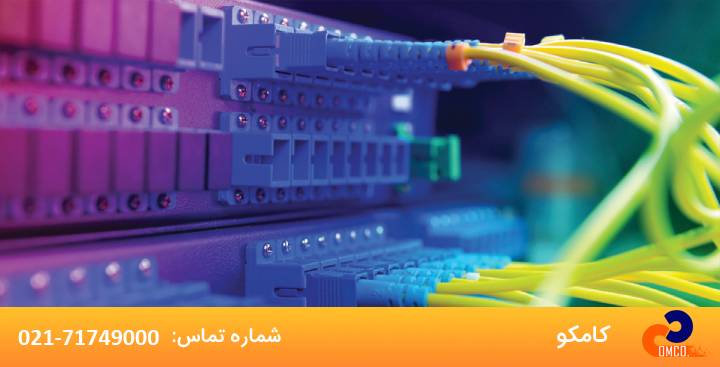
خلاصه تخصصی مقاله
This article introduces passive network equipment—devices that do not require direct power and form the network’s physical infrastructure.
موضوعات اصلی: پشتیبانی شبکه، شبکه، تجهیزات، میکنند، استفاده، هستند
Passive network equipment
In this article we introduce passive network equipment. These are devices that operate without direct power and, although non-active, play a foundational role in network reliability, performance, and scalability. They form the physical infrastructure and support data transmission via cables and fibers.
Passive equipment
Passive network equipment is a key part of any network and transmits data through the physical infrastructure without consuming power. These components influence stability, efficiency, and the ability to expand the network, and assist in fault detection and troubleshooting. The main items in this category include cables, racks, patch cords, wall jacks, patch panels, keystones, and trunks/ducts.
Introduction to all passive network equipment
- Cable
- Racks
- Patch cord
- Wall jack
- Patch panel
- Keystone
- Trunk and duct
Cable
Network cable is a core component of passive equipment; it comes in copper and fiber types. Copper cables are suitable for distances under 100 meters, while fiber is used for longer runs. Cables must be terminated with connectors at both ends to connect to devices.
Racks
Racks are enclosures that house servers and other equipment such as routers, modems, and switches. The unit of a rack is the U (unit). When selecting a rack, consider size (units), depth, presence of fans, and whether it includes a patch panel or power outlets.
Patch cord
Patch cords are short cables used to connect nearby devices. They are typically a few meters long and come in copper and fiber variants. Patch cords are used to connect a switch to a computer or a router, carrying signals between two devices.
Wall jack
Wall jacks provide user access to the network and connect to the main network via a network cable.
Patch panel
Patch panels act as an interface between active equipment and network cables. They feature numbered ports to which corresponding cables are connected. Patch panels aid in network management and fault isolation and enable future expansion.
Keystone
Keystones are connectors used for terminating copper cables and linking different network components together.
Trunk and duct
Trunk and duct are plastic enclosures used to route and protect cables. A trunk is larger than a duct and provides more space for cable routing. They can also host outlets. They are typically plastic and not moisture-resistant, so they should be used in sealed spaces.
To assess the reliability, security, and maintenance of this infrastructure, study the network support guide.
برای ارزیابی پایداری، امنیت و نگهداری این زیرساخت، راهنمای پشتیبانی شبکه را نیز مطالعه کنید.