DOS vs DDOS Attacks: Differences and Prevention
DoS and DDoS attacks threaten the availability of online services. This article explains the key differences, potential impacts, prevention approaches, and common protective tools for networks and servers.
خلاصه تخصصی مقاله
DoS and DDoS attacks threaten the availability of online services. This article explains the key differences, potential impacts, prevention approaches, and common protective tools for networks and servers.
موضوعات اصلی: DDoS، traffic، DoS، attack، systems، can
DoS and DDoS attacks remain a serious concern for the security of systems and online services. This article explains the key differences between DoS and DDoS, the potential impacts, prevention approaches, and common tools used to protect infrastructure.
What is a DoS attack?
Denial of Service (DoS) means an attack on availability. The goal is to disrupt the normal operation of a service by flooding a server with a high volume of illegitimate requests, exhausting resources and making legitimate requests hard to service. The result is cutbacks or interruptions in service availability.
DoS methods can vary, but one common approach is to flood the target with requests from a single source, consuming server resources and making it difficult to process real user requests. This attack typically originates from one system, making source identification relatively straightforward.
DoS attack characteristics
- Single sourceAttacks typically come from a single computer or system.
- Low complexityRelatively simple to execute and does not require extensive resources.
- Easy to detectSince traffic comes from one source, locating it is comparatively easy.
- Lower speedDoS attacks generally operate at a slower pace than DDoS.
What is a DDoS attack?
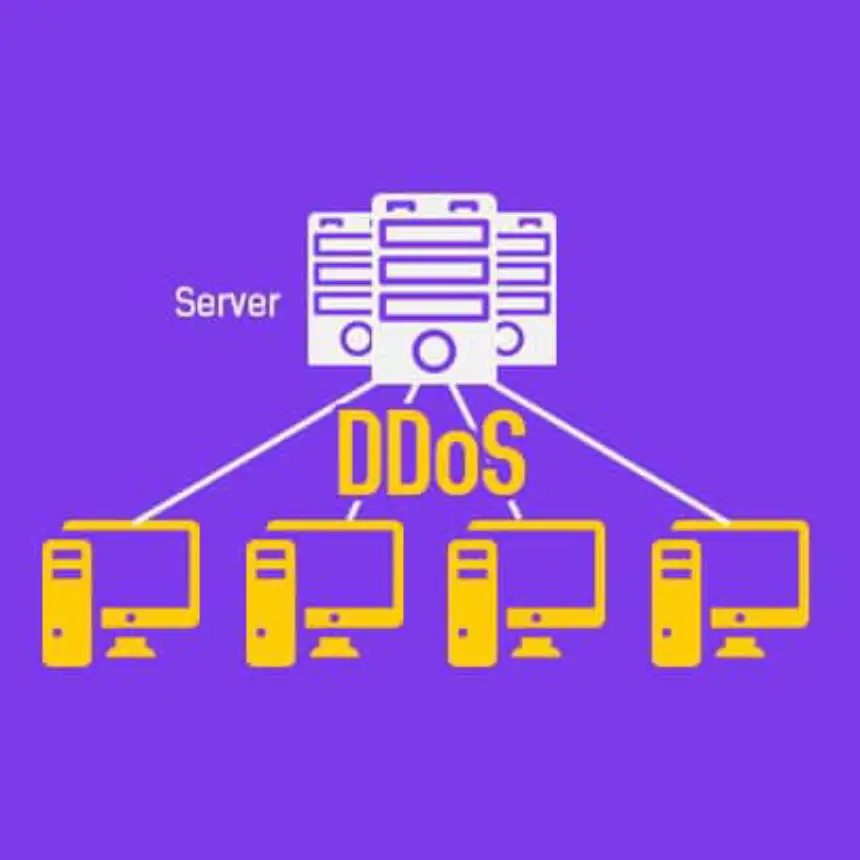
Distributed Denial of Service (DDoS) uses multiple compromised systems to flood the target server. These systems are often part of a larger network known as a botnet.
In DDoS attacks, attackers use a large number of devices simultaneously to direct a vast amount of traffic toward the target server. This type of attack is more complex and harder to thwart because traffic originates from multiple sources.
DDoS attack characteristics
- Multiple originsAttacks come from numerous systems infected with malware.
- High complexityRequires coordination across many systems and often relies on sophisticated tooling.
- Hard to detectIdentifying the attack source is more difficult due to distributed origins.
- High speedAttacks can occur rapidly and have a larger impact on server resources.
Differences between DoS and DDoS
Although both aim to disrupt service availability, key differences influence how each is detected and mitigated.
- Traffic sourceDoS uses a single source; DDoS uses multiple sources across locations, complicating tracing and mitigation.
- Speed and intensityDoS typically involves less traffic; DDoS floods the target with high-volume traffic from many sources.
- ComplexityDoS is simpler; DDoS requires coordination among several systems.
- Detection and responseDoS can often be mitigated with standard security tools; DDoS generally needs advanced tooling and tighter monitoring.
Impacts of DoS and DDoS
DoS and DDoS can cause several harms to websites, networks, or systems:
- Service disruptionOnline services may become unavailable to users.
- Degraded performanceExcessive traffic can slow down systems or sites.
- Brand and reputational damageUnavailable services can erode trust and customer base.
- Financial costsRepairing infrastructure and security-related expenses may rise.
Prevention strategies for DoS and DDoS
To protect against DoS and mitigate DDoS, employ a mix of strategies and tools. Key approaches include:
- Network traffic monitoringContinuous monitoring helps identify abnormal traffic patterns and enables timely response.
- Robust firewallsFirewalls resilient to DDoS can block malicious traffic while allowing legitimate traffic.
- Use of IDSIntrusion Detection Systems monitor traffic and raise alerts for suspected attacks.
- Attack analysisDetailed analysis of attack methods informs improved defenses and simulations.
- Anycast networkingAnycast distributes traffic to multiple servers, improving resilience and reducing impact.
Tools to counter DoS and DDoS
Several tools help mitigate DoS and DDoS, including:
- IDSContinuous traffic analysis and anomaly alerts.
- Advanced firewallsBlock malicious traffic and permit legitimate traffic.
- Cloud-based protection servicesCloud providers offer advanced DDoS protection to safeguard sites and services.
Using these tools and strategies can prevent or minimize the impact of many DoS and DDoS attacks.
Conclusion
DoS and DDoS are serious threats to the availability of online services. Understanding their differences, timely detection, and applying appropriate security measures can effectively prevent their damage.
For resilience and maintenance planning, also review network support guidance.
برای ارزیابی پایداری، امنیت و نگهداری این زیرساخت، راهنمای پشتیبانی شبکه را نیز مطالعه کنید.