What is a PBX? Benefits, features, and classifications
This article explains what a PBX is, its key features and benefits, and how PBX systems are classified, highlighting their role in improving business communications and efficiency.
خلاصه تخصصی مقاله
This article explains what a PBX is, its key features and benefits, and how PBX systems are classified, highlighting their role in improving business communications and efficiency.
موضوعات اصلی: calls، PBX، internal، telephone، systems، lines
What is a PBX?
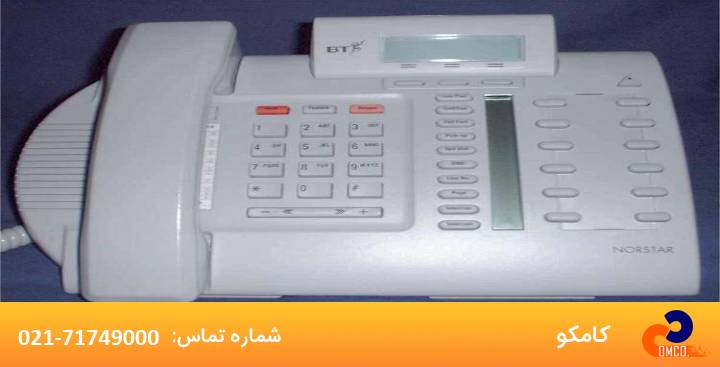
A PBX (private branch exchange) is a system that groups multiple telephone lines and connects them to a single telephony center. It is used to manage incoming and outgoing calls within an organization. PBX systems can be configured to meet a company’s needs and can be adjusted accordingly. The main purpose is to share public telephone lines without human intervention and to improve internal communication. Core features include line separation and distribution, call queues, and answering customer calls.
Using a PBX also provides additional capabilities, such as internal calling without cost and the ability to define business hours and an auto attendant. The auto attendant helps route callers to the desired extension. If you have ever contacted a large organization and been asked to press numbers to reach a department, that is a PBX function.
What are the advantages of a PBX?
- Enables proper management of network telephone calls and reduces costs
- Programmable with dedicated codes
- Supports voicemail
- Some systems include features like intercom and door entry
- Can restrict calls to certain external lines
- Can define an automated attendant
- Can route calls to specific extensions
- Can hold multiple calls simultaneously and queue them
PBX advantages for companies and organizations
PBX systems offer several specific benefits, including:
- Assigning a dedicated line to each employee and enabling free internal calling among colleagues
- Call recording capability
- Eliminates need for a receptionist; PBX automatically routes calls to the appropriate extensions
- Easy monitoring of lines and applying restrictions
- Cost savings and reduced expenses
How are PBXs classified?
PBXs are classified along two dimensions:
- Based on capacity: from low-capacity to high-capacity (number of external and internal ports)
- Based on functionality or IP access: networked (IP-based) and non-networked
Networked devices connect to IP networks via computer network support, while non-networked devices use TES, TEM, or TDA technologies.
برای ارزیابی پایداری، امنیت و نگهداری این زیرساخت، راهنمای پشتیبانی شبکه را نیز مطالعه کنید.