Features of a Standard Server Room: A Guide to Design, Maintenance and Inspection
This article surveys the key characteristics of a standard server room, relevant standards, design, equipment, maintenance, and inspection procedures to help organizations create a stable and secure environment for their servers.
خلاصه تخصصی مقاله
This article surveys the key characteristics of a standard server room, relevant standards, design, equipment, maintenance, and inspection procedures to help organizations create a stable and secure environment for their servers.
موضوعات اصلی: پشتیبانی شبکه، فایروال، اتاق، سرور، باید، تجهیزات
Standard Server Room
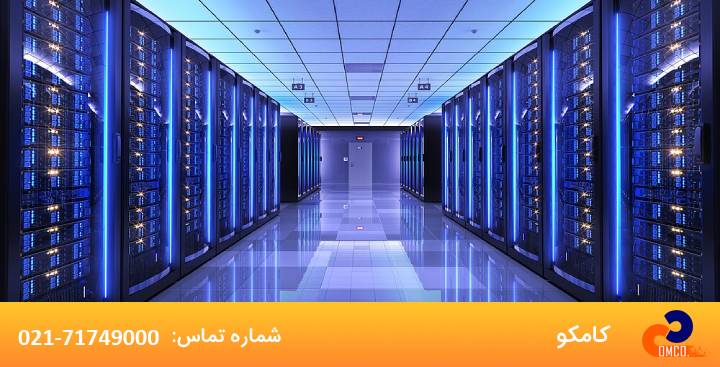
The server room is a space where all servers and related equipment are housed and must meet high standards to ensure stable operation of the systems. Proper design prevents many issues for an organization. This article covers the key features of a standard server room as well as design, maintenance, and inspection practices.
What features should a standard server room have?
As noted, a server room must have characteristics that allow all servers to be maintained properly. Below are the main features of a standard server room:
- Adequate environmental conditions. Temperature and humidity should be within a suitable range to avoid damage to equipment.
- Geographic suitability. The room should be located away from natural hazards such as floods or earthquakes.
- Safe location and security. A location with safe access and minimal human and natural risk.
- Fire resistance and appropriate cooling.
- Security equipment and access control.
- Structured cable management, raised floor and ceiling to manage cables and ventilation.
- Power continuity systems and reliability such as UPS.
How are server room standards checked?
To assess server room standards, use a safety checklist and review items regularly. A maintenance team can assist in this process. Assess temperature, cooling, humidity, and risks related to people or nature.
List of equipment for a standard server room
To set up a standard server room, you need a equipment list. Here is a concise table of key items:
| Equipment | Description |
|---|---|
| Server Rack | Space to host servers and network devices in multiple tiers. |
| Rack Accessories | Drawers, trays, cable management and maintenance tools. |
| Cooling System | Cooling units and air conditioning to maintain suitable temperature. |
| Cable Management | Structured cables for network and power to prevent tangling and easy access. |
| Uninterruptible Power Supply (UPS) | Power supply without interruption to prevent outages. |
| Environmental Monitoring System | Sensors for monitoring temperature, humidity and other environmental conditions. |
| Security System | CCTV, digital locks, and access control systems. |
| Fire Suppression System | Suppression tools or gas-based extinguishing systems. |
| Raised Floor | Underfloor space for cable routing and improved ventilation. |
| Raised Ceiling | Space above ceiling for cable routing and environmental protection. |
| Network Backups Equipment | Switches, routers and firewalls for secure networking and connectivity. |
How should a standard server room be designed?
In designing a server room, determine ceiling height, floor structure, and finishes to accommodate cables and ventilation. Use raised floors and ceilings to manage cables and ventilation; choose anti-static floors and fire-resistant walls to enhance safety.
Maintenance standards for the server room
Maintenance involves regular cleaning, weekly checks, and periodic inspections. The maintenance team should regularly inspect the room to ensure standards are met. Proper maintenance is central to the company, as any neglect can affect other systems.
What should the temperature be?
The server room temperature should consistently be around 22 degrees Celsius to ensure stable operation of equipment.
Steps for planning to build a standard server room
- Needs analysis and objectives
- Identify network and infrastructure requirements
- Assess data volume and growth
- Define functional requirements
- Budget estimation
- Equipment costs
- Implementation costs
- Contingency costs
- Choosing a suitable location
- Safe location away from natural hazards
- Easy access for network support
- Environmental controls and appropriate humidity/temperature
- Initial design
- Room layout, rack placement, cooling and cabling
- Ceiling and floor considerations
- Security planning
- Equipment selection
- Reputable brands
- Compare equipment
- Warranty and after-sales service
- Engaging consultants and a specialized team
- Design and construction consultants
- Experienced implementation team
- Final inspection by professionals
- Implementation and execution
- Install equipment
- Deploy UPS and security systems
- Perform initial tests
- Documentation and training for the maintenance team
- Technical documentation
- Maintenance team training
- Ongoing review and monitoring
- Regular checks of room conditions
- Upgrade equipment as needed
- Evaluate efficiency
Frequently Asked Questions
1. Why is server room temperature important? Because many devices operate constantly, and improper temperatures can lead to fire risks or failures. 2. Why use raised floors? To manage cables and provide better ventilation access. 3. How can standards be met? By using a safety checklist and regular inspections.
برای ارزیابی پایداری، امنیت و نگهداری این زیرساخت، راهنمای پشتیبانی شبکه را نیز مطالعه کنید.