Network Cabling Costs: Key Influencing Factors
An overview of network cabling costs and the factors that influence them. Cabling costs, alongside equipment purchases, are among the most important considerations for IT managers. This article explains where costs come from and which factors affect them.
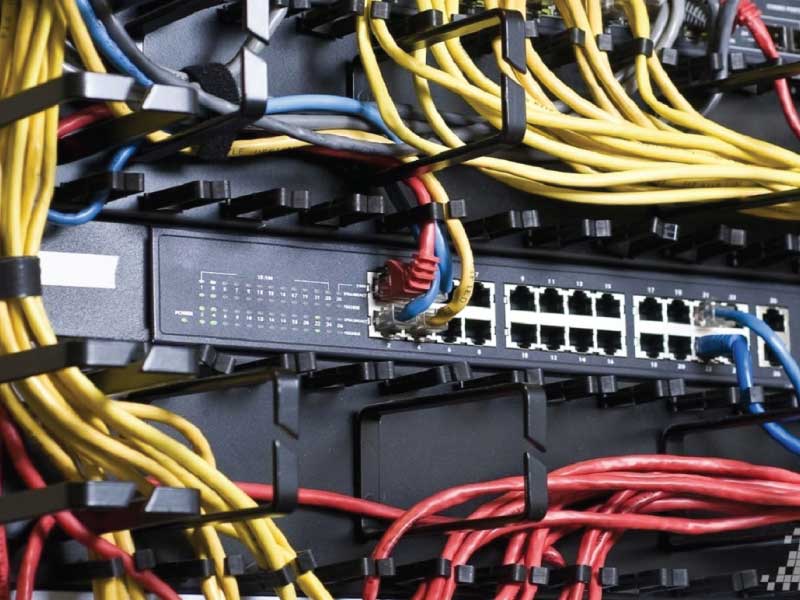
خلاصه تخصصی مقاله
An overview of network cabling costs and the factors that influence them. Cabling costs, alongside equipment purchases, are among the most important considerations for IT managers. This article explains where costs come from and which factors affect them.
موضوعات اصلی: cabling، network، costs، installation، equipment، cable
What is the cost of network cabling?
The cost of network cabling varies with the type of network, the number of systems, and the total cable length. When purchasing network equipment, be mindful of incidental and overhead costs to avoid unnecessary increases. The design and implementation of passive network infrastructure should be performed by qualified professionals. If you need it done, consult several network experts to obtain comprehensive information about costs, prices, and the method of cabling.
Factors influencing network cabling costs
Many factors influence cabling costs, directly relating to equipment prices and usage. Key factors include:
- Length and size of the installation site
- Type of cable and required technology
- Installation method and ducting
- Number of systems
- Type of network equipment
- Labor and installation costs
- Testing and troubleshooting costs
Network type
Networks can be wired or wireless. However, even wireless networks often require some wired cabling to connect access points to a central server. Wired cabling tends to be more reliable and can deliver better performance, though maintenance costs can be higher over time.
Importance of site length and layout
The installation site could be a classroom, an office suite, a floor, or a multi-floor building. Each location, based on its length, directly affects cabling costs. Cabling should follow standards to ensure performance. The length of the site largely determines subsequent equipment and installation costs.
Importance of network cabling
Network cabling forms the core infrastructure of your network. A more reliable physical layer translates into a more stable and secure network, reducing downtime for IT staff. Ensuring a proper passive infrastructure supports network security and performance.
Table: Comparison of cable types and their impact on cabling costs
| Cable type | Max transmission speed | Max distance without signal loss | Key characteristics | Approximate cost | Suitable for |
|---|---|---|---|---|---|
| Cat5e | 1 Gbps | 100 m | Low cost, suitable for small networks | Low | Small offices, home networks |
| Cat6 | 10 Gbps | 55 m | Lower noise than Cat5e | Medium | Medium-sized enterprises |
| Cat6a | 10 Gbps | 100 m | Better noise protection | High | Data centers, high-speed networks |
| Cat7 | 10 Gbps | 100 m | Stronger shielding, reduced noise | High | Data centers and sensitive networks |
| Cat8 | 25-40 Gbps | 30 m | For data centers, ultra-high speeds | Very high | Servers, advanced infrastructures |
| Single Mode Fiber | Up to 100 Gbps | Several kilometers | Very low latency, resistant to EMI | Very high | Long-haul connections |
| Multi Mode Fiber | 10-40 Gbps | 300-500 m | Lower cost than Single Mode, suitable for shorter distances | High | Large buildings, internal data centers |
Associated costs in a cabling project
Beyond cable costs, cabling projects incur various incidental expenses that may be overlooked in initial budgeting. These include ancillary equipment, labor, testing and troubleshooting, and other technical considerations.
1. Labor and installation costs
- Technician wages depend on experience and project complexity.
- Project duration more complex or long cable routes increase installation time and costs.
- Site conditions installations in industrial environments or concrete walls require skilled personnel, raising costs.
2. Ancillary cabling equipment
Standard cabling requires various equipment, affecting budget. These include:
| Equipment | Application | Impact on total cost |
|---|---|---|
| Patch Panel | Organizing cables in racks | Medium |
| Keystone Jack | Connecting cables to ports | Low |
| Rack | Housing switches/servers | High |
| Cable Tray/Duct | Cable management | Medium |
| RJ45 Sockets/Connectors | Connecting cables to equipment | Low |
| Signal Amplifiers/Boosters | Extend signal reach | Medium |
| Conduits | Protect cables from physical damage | Medium |
Some equipment like racks and patch panels is essential in large organizations; in smaller projects, some costs can be reduced.
3. Testing and troubleshooting
After cabling, it is essential to verify proper operation. Testing and troubleshooting involve additional costs:
- Testing cable health with a network tester
- Checking noise and interference
- Repairing cables that are not properly terminated or have weak signal quality
To assess the stability and maintainability of this infrastructure, consult the network support guidelines.
برای ارزیابی پایداری، امنیت و نگهداری این زیرساخت، راهنمای پشتیبانی شبکه را نیز مطالعه کنید.